Walking downstairs to find a flooded basement is an absolute nightmare for any homeowner. Whether…
Does Homeowners Insurance Cover Water Damage? (What You Need to Know)
Your basement flooded last night. You’ve got standing water, soaked drywall, and ruined flooring. First thing you do is call your insurance company. Then comes the part nobody tells you about before you actually need it: your claim might not be covered.
Homeowners insurance and water damage restoration have a complicated relationship. Some situations are fully covered. Others aren’t covered at all. And a lot of homeowners in Oakland County, Wayne County, and Macomb County find this out at the worst possible time, right after something goes wrong.
This guide breaks down exactly what’s typically covered, what isn’t, and what you can do right now to make sure you’re not caught off guard.
Key Takeaways
- Standard homeowners insurance covers sudden and accidental water damage but usually not gradual leaks or flooding from outside.
- Sewer backups and sump pump failures are among the most common water damage claims in Michigan and are often not included in a basic policy.
- Flood damage from storms or rising groundwater requires a separate flood insurance policy through FEMA’s National Flood Insurance Program or a private insurer.
- How you document the damage from the first hour matters a lot for your claim outcome.
- Revive Experts helps homeowners document damage properly and works directly with insurance adjusters throughout the restoration process.
The Basic Rule: Sudden vs. Gradual
The single most important thing to understand about water damage and insurance is this: most standard policies cover damage that happens suddenly and by accident. They don’t cover damage that built up slowly over time.
A pipe that burst at 2am and flooded your kitchen before you woke up? That’s sudden. Covered.
A slow leak behind your bathroom wall that’s been going on for six months and finally caused visible mold and rot? That’s gradual. Not covered, because insurance companies consider that a maintenance issue the homeowner should have caught.
That distinction drives most of the decisions your insurer will make when they look at your claim.
What Homeowners Insurance Usually Covers
Burst or Frozen Pipes
This is one of the most common claims across Michigan every winter. When a pipe bursts and water damages your floors, walls, and personal property, that’s typically covered under your dwelling and personal property coverage. One caveat: if the pipe froze because you left the heat off and the house got too cold, your insurer may push back on that.
Appliance and Fixture Failures
If your washing machine hose suddenly splits and floods your laundry room, or your water heater cracks and leaks, the resulting water damage to your home is usually covered. The appliance itself may not be, but the damage it caused to your floors and walls generally is.
Roof Leaks from a Covered Peril
If a storm tears off part of your roof and rain gets in, the water damage inside your home is typically covered because the roof damage itself was caused by a covered event. If the roof was just old and worn out and started leaking on its own, that’s a different story.
Ice Dam Damage
Ice dams are a real problem in Michigan winters. When they force water back under your shingles and into your ceilings and walls, most policies will cover the interior damage. Coverage for the ice dam removal itself varies by policy.
What’s Usually NOT Covered
Flooding from Outside Your Home
This surprises a lot of people. If a storm causes water to rise and enter your home from the ground up, that’s considered flooding and is not covered by a standard homeowners policy. You need a separate flood insurance policy for that. Given how many Oakland County communities sit near lakes and have high water tables, this is worth looking into if you haven’t already.
Sewer Backups
Sewer backups are extremely common in older communities across Oakland County, Wayne County, and Macomb County after heavy rain. Sewage coming up through your basement drain is contaminated, expensive to clean up, and in most cases not covered by a standard homeowners policy. Water damage restoration from a sewer backup is a specialized job and you usually need a sewer backup endorsement added to your policy separately. If you don’t have one, now is a good time to add it before you ever need it.
Sump Pump Failure
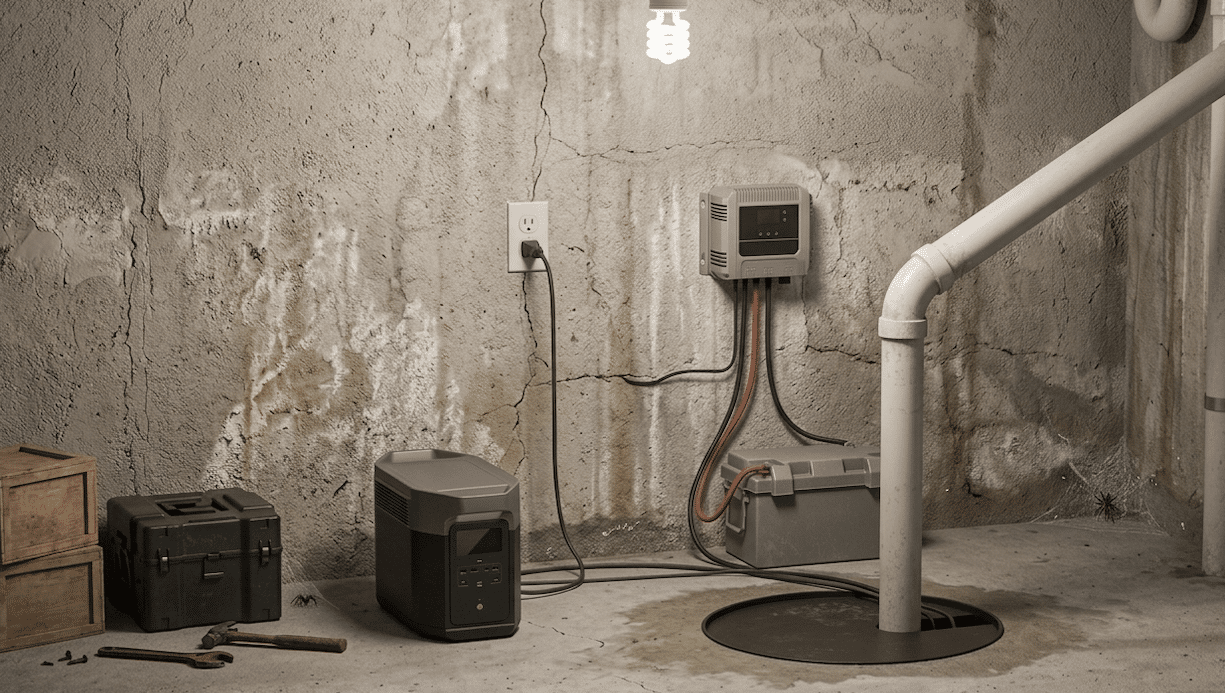
A sump pump that fails during a storm and lets your basement flood is another gap in most standard policies. Sump pump failure coverage is usually available as an add-on rider, and for homes in areas with a high water table, it’s genuinely worth having.
Gradual Leaks and Poor Maintenance
If an adjuster can determine that a leak was slow and ongoing, and that a reasonable homeowner would have noticed and fixed it, the claim is likely to be denied. This includes things like a dripping pipe under a sink that eventually rotted the cabinet floor, or a toilet that’s been running and softening the subfloor for months.
Mold from Neglected Moisture
Mold that grew because of an unaddressed leak or ongoing humidity problem is generally excluded. Mold that resulted directly from a sudden covered event, like a burst pipe that was cleaned up quickly but mold still appeared, has better odds of being covered, but even that varies by insurer.
What to Do Right After Water Damage Happens
How you handle the first hour or two has a real impact on your claim. A few things to keep in mind:
- Take photos and video before anything is moved or cleaned up. Your adjuster needs to see the damage as it actually was, not after you’ve started cleaning.
- Don’t throw anything away yet. Damaged flooring, drywall, and personal items may need to be inspected before they’re removed.
- Call your insurer to report the claim as soon as possible. Most policies require prompt reporting and waiting too long can complicate things.
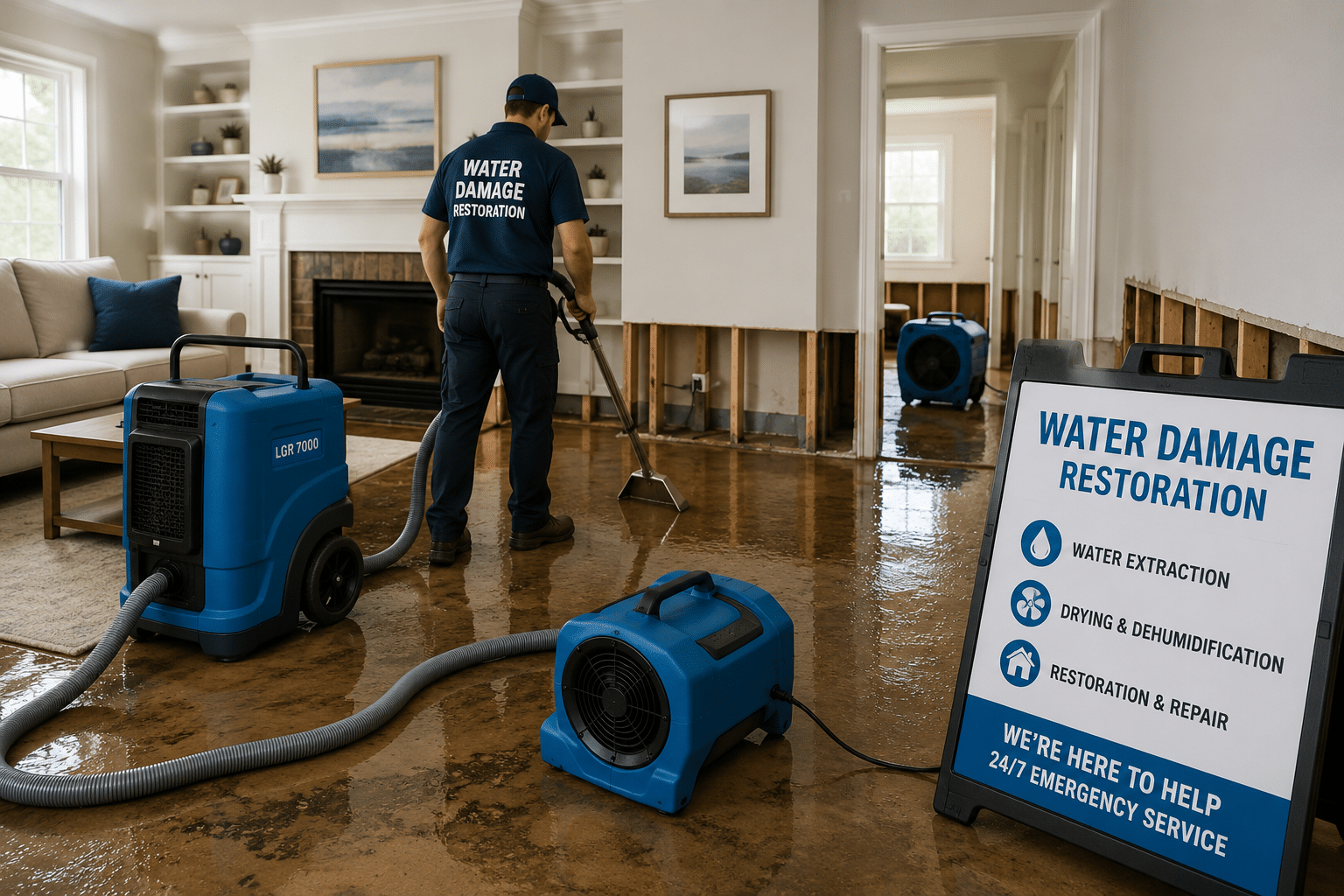
- Call a restoration company right away. Getting water extracted and drying started quickly limits the damage and shows your insurer you acted responsibly. Waiting makes damage worse and can actually hurt your claim.
How Revive Experts Helps With the Insurance Process
Dealing with an insurance claim on top of actual water damage in your home is a lot to handle at once. When Revive Restoration comes out to a water damage restoration job in Farmington Hills, Oakland County, Wayne County, or Macomb County, we document everything thoroughly from the start: photos, moisture readings, affected areas, category of water damage. That documentation matters when your adjuster is reviewing the claim.
We work with insurance adjusters regularly and understand what they need to see. We’re not going to overstate the damage and we’re not going to miss anything that should be covered. Our job is to restore your home and help you get through this process with as little additional stress as possible.
If you’re in Wayne County, Oakland County, or Macomb County and dealing with water damage right now, call Revive Restoration. We’re based in Farmington Hills at 30095 Northwestern Hwy #10A and serve the surrounding Michigan area. We’ll get there fast, document everything properly, and start getting your home back to normal.
Protect Your Home from Water Damage
The best insurance claim is the one you never have to file. Regular maintenance goes a long way: check your sump pump a few times a year, keep gutters clean, replace aging supply lines, and know where your main shutoff valve is. For homeowners in Farmington Hills and across Oakland County, Wayne County, and Macomb County, sewer backup and sump pump coverage are worth adding given how common these issues are in this part of Michigan.
If you already have water damage and need help, don’t wait. Call Revive Restoration at (248) 372-1930 or contact us online today. We’re available 24 hours.
FAQs
Does homeowners insurance cover a flooded basement?
It depends on why it flooded. A burst pipe flooding your basement is usually covered. Groundwater or storm water coming in from outside is typically not covered under a standard policy and requires separate flood insurance.
Is sewer backup covered by homeowners insurance?
Not under most standard policies. Sewer backup coverage is usually available as an add-on endorsement. Given how common this is in older Michigan communities after heavy rain, it’s worth adding if you don’t already have it.
What if my insurer denies my water damage claim?
You can appeal the decision. Having thorough documentation of the damage and a clear timeline of when it happened helps significantly. A public adjuster is another option if you feel the denial wasn’t handled fairly.
Does filing a water damage claim raise my insurance rates?
It can, depending on your insurer and how many claims you’ve filed. That said, water damage is one of the most common homeowners claims and most insurers expect it. For major damage, filing is almost always worth it.
How does Revive Experts help with insurance claims?
We document the damage thoroughly from the moment we arrive, provide detailed reports that adjusters can work with, and communicate directly with your insurance company throughout the process so you don’t have to manage that on top of everything else.
Related Posts