
Revive Restoration Blog
Why Your Sump Pump Might Fail This Spring
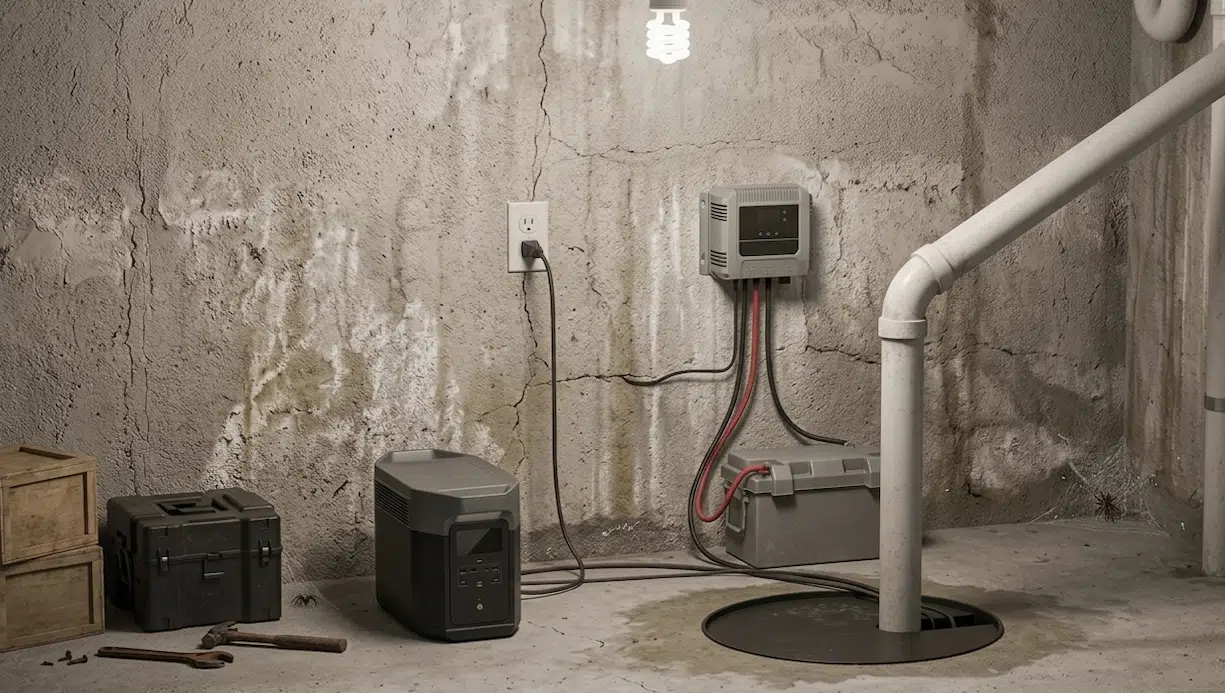
In Michigan, the transition from winter to spring is a testing ground for your home’s plumbing. As the ground thaws and April showers move in, your sump pump becomes the most important piece of equipment in your home. If it fails, you aren’t just looking at a puddle, you’re looking at a basement flood that can lead to structural issues and mold growth.
At Revive Restoration, we’ve spent over 20 years helping homeowners in Farmington Hills and across Oakland County recover from unexpected water damage. Here is what you need to know about sump pump failure this season.
Common Causes of Sump Pump Failure in Michigan
Understanding why these systems fail is the first step in protecting your property. Most spring flooding calls we receive are due to one of the following:
- Power Outages: Spring storms often bring wind and lightning that knock out power. Without electricity, a standard sump pump cannot move water out of your basement.
- Mechanical Overload: During a heavy thaw, a pump may run continuously for days. If the motor is old or low-quality, it can burn out under the constant strain.
- Clogged Discharge Lines: If your discharge pipe is blocked by debris or was frozen during a late-season cold snap, the water has nowhere to go but back into your basement.
- Stuck Float Switches: The float switch tells the pump when to turn on. If it’s pinned against the side of the basin or tangled in wires, the pump won’t activate even as water rises.
3 Ways to “Flood-Proof” Your Sump Pump
You can avoid a call for emergency water damage restoration by taking these three professional-grade precautions:
Spring flooding is an inevitable part of life in Michigan as the previous winter’s snow melts when the temperatures warm up. When this type of flooding does occur, there are steps you can take to minimize the damage to your property.
1. Install a Battery Backup System
Since power outages and flooding go hand-in-hand, a battery backup is essential. These systems take over the moment your primary power fails, giving you several hours of protection while the storm passes.
2. The “Bucket Test”
Don’t wait for a storm to see if your pump works. Pour a five-gallon bucket of water into the sump pit. The pump should activate quickly, discharge the water, and shut off. If it doesn’t, call a professional for an inspection immediately.
3. Clear the Exit Path
Check the area where your discharge pipe empties outside. Ensure it is clear of leaves and that the water is being directed at least 10 feet away from your foundation to prevent “re-circulation” (where the same water drains right back into your sump pit).
What to Do if Your Sump Pump Fails
If you walk downstairs and find standing water, every minute counts. Standing water can quickly damage drywall, flooring, and salvageable belongings.
- Safety First: Do not enter a flooded basement if the water has reached the outlets. Turn off the power at the breaker box if it is safe to do so.
- Call for Extraction: Standard wet-vacs often can’t keep up with a failed sump pump during a storm. You need industrial-grade water extraction and drying to prevent long-term damage.
- Check for Mold: After the water is gone, the moisture left in the air can trigger mold. Professional restoration includes dehumidification to ensure your home is truly dry.
- Check Your Coverage: Sump pump overflow is excluded from standard homeowners policies unless you added a water backup endorsement. Our guide to basement flood insurance coverage in Michigan explains what each type of policy pays for.
Choosing a Replacement Sump Pump
If an inspection shows that your pump is undersized, unreliable, or near the end of its service life, do not choose a replacement by horsepower alone. The right pump must fit the basin, move enough gallons per hour for the amount of groundwater entering your home, and overcome the vertical and horizontal distance of the discharge line. A pump that looks powerful on the box may deliver much less water once it has to push uphill and away from the foundation.
Look for a durable cast-iron or stainless-steel housing, a dependable float or electronic switch, and a screened intake that resists debris. A properly installed check valve keeps discharged water from falling back into the pit. The discharge should terminate where water can drain away from the house without flowing onto a neighbor’s property, sidewalk, or frozen surface.
A battery backup should be a separate pump rather than only an alarm. Select one with enough capacity for the likely inflow and test its battery according to the manufacturer’s schedule. For homes with frequent outages, a water-powered backup may be another option when local plumbing conditions allow it. Whichever system you choose, keep the basin covered to limit humidity and debris while leaving the components accessible for testing.
Why Michigan Spring Conditions Put Sump Pumps Under Stress
Michigan’s spring flood risk is rarely caused by one rainstorm alone. Snowmelt can saturate the ground before seasonal rain arrives, and a late freeze can block or narrow an exterior discharge line. In parts of Oakland County, clay-heavy soils drain slowly and hold water against foundations. Homes near lakes or low-lying areas may also experience a high seasonal water table, causing a pump to cycle more often than it does during the rest of the year.
Prepare before daytime temperatures stay above freezing. Clear snow, leaves, and ice from the discharge outlet; confirm that the pipe slopes away from the home; and test both the primary and backup pumps. Listen for grinding, rattling, or unusually long run times. Those warning signs can indicate worn components, a jammed impeller, or a pump that cannot keep up with the inflow.
Sump Pump Failure FAQs
What should I do immediately if my sump pump fails?
Stay out of standing water if it may have reached electrical outlets. Shut off power only when it is safe, then call for professional water extraction. Fast extraction and structural drying reduce damage to floors, walls, and belongings and help prevent mold growth.
How often should a sump pump be tested in Michigan?
Test the pump every few months and again before Michigan’s spring thaw and heavy-rain season. Pour water into the pit and confirm that the float activates the pump, water exits through the discharge line, and the pump shuts off normally.
What should I look for when replacing a sump pump?
Choose a pump sized for the pit and expected water volume, with a durable housing, reliable switch, and enough head pressure for the discharge route. Pair it with a separate battery backup so the system can keep working during a storm-related outage.
Trusted Water Damage Experts in Farmington Hills
If your property has been impacted by sump pump failure, call Revive Restoration. We can be at your home or business anywhere in the state of Michigan whenever you need us to provide fast, effective service. To request an estimate on our water damage mitigation services, contact us online or by phone at 248-372-1930.
- March 27, 2026
- Revive Restoration
- Blog, Trending
Share This
Related Posts

Your basement flooded last night. You've got standing water, soaked drywall, and ruined flooring. First…
Walking downstairs to find a flooded basement is an absolute nightmare for any homeowner. Whether…
You go down to the basement on a Saturday morning to grab something out of…
Need Help Right Now? We Answer 24/7.
Free inspection, direct insurance billing, and crews across Oakland & Macomb County, usually at your door within the hour.