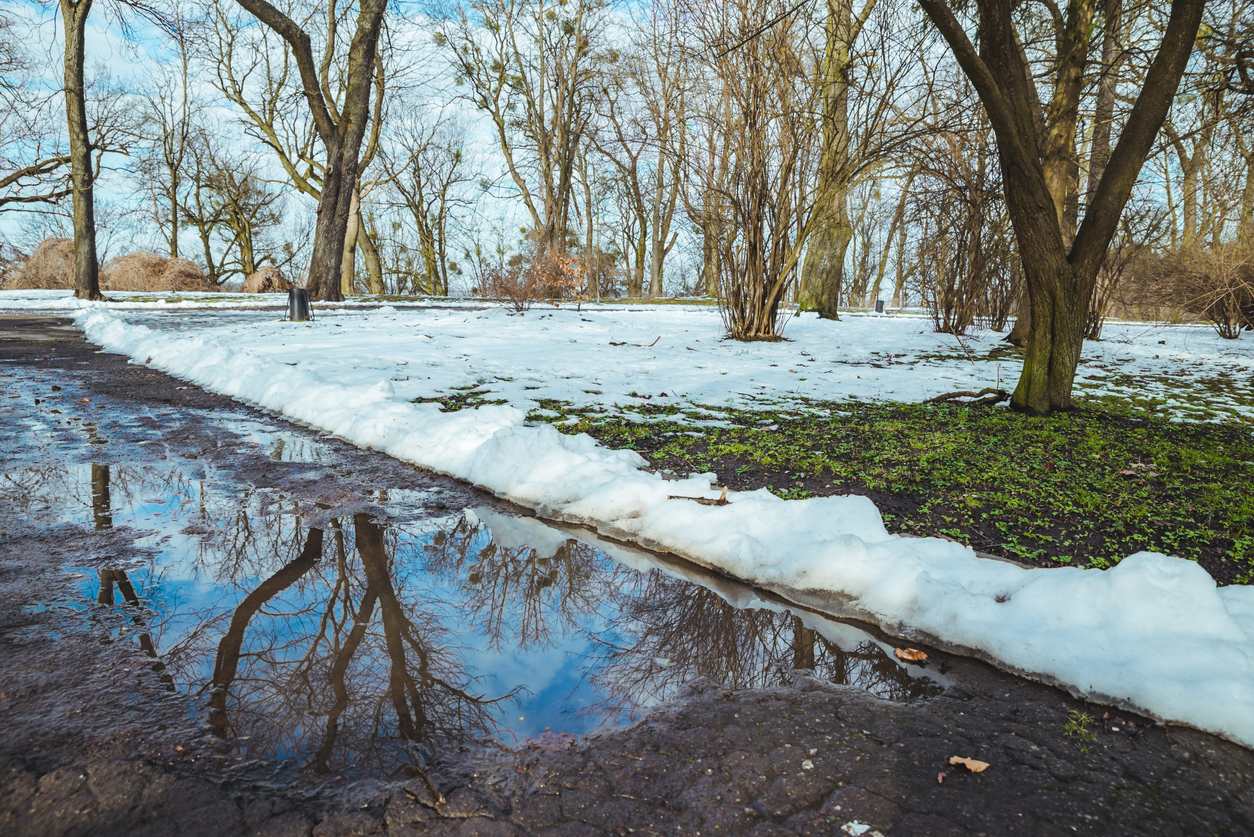
In Michigan, the transition from winter to spring is a testing ground for your home’s…
Water Damage Prevention Tips for West Bloomfield Homeowners
You go down to the basement on a Saturday morning to grab something out of storage and the carpet is wet under your feet. Turns out there have been a small crack in the foundation wall letting groundwater in for weeks, maybe longer. Now you’re pulling up flooring and cutting out drywall instead of doing whatever you actually had planned for the day.
This happens a lot in West Bloomfield. The township has more than a dozen lakes inside it, places like Cass Lake, Pine Lake, and Upper Straits, and the ground around them holds water close to the surface. Add Michigan’s winters, where pipes freeze in January and start leaking once they thaw in February, and you’ve got a town where this kind of thing isn’t really rare. It’s just part of owning a home here.
None of this means you can’t get ahead of it. Most water damage starts small and gives you warning if you know what to look for.
Key Takeaways
- West Bloomfield’s high water table and lake-heavy layout make basement seepage and sump pump failure two of the most common issues homeowners deal with here.
- A leak that seems small can turn into real structural damage and mold within a couple of weeks if it’s left alone.
- Knowing where your shutoff valve is and checking your sump pump a few times a year covers most of the risk.
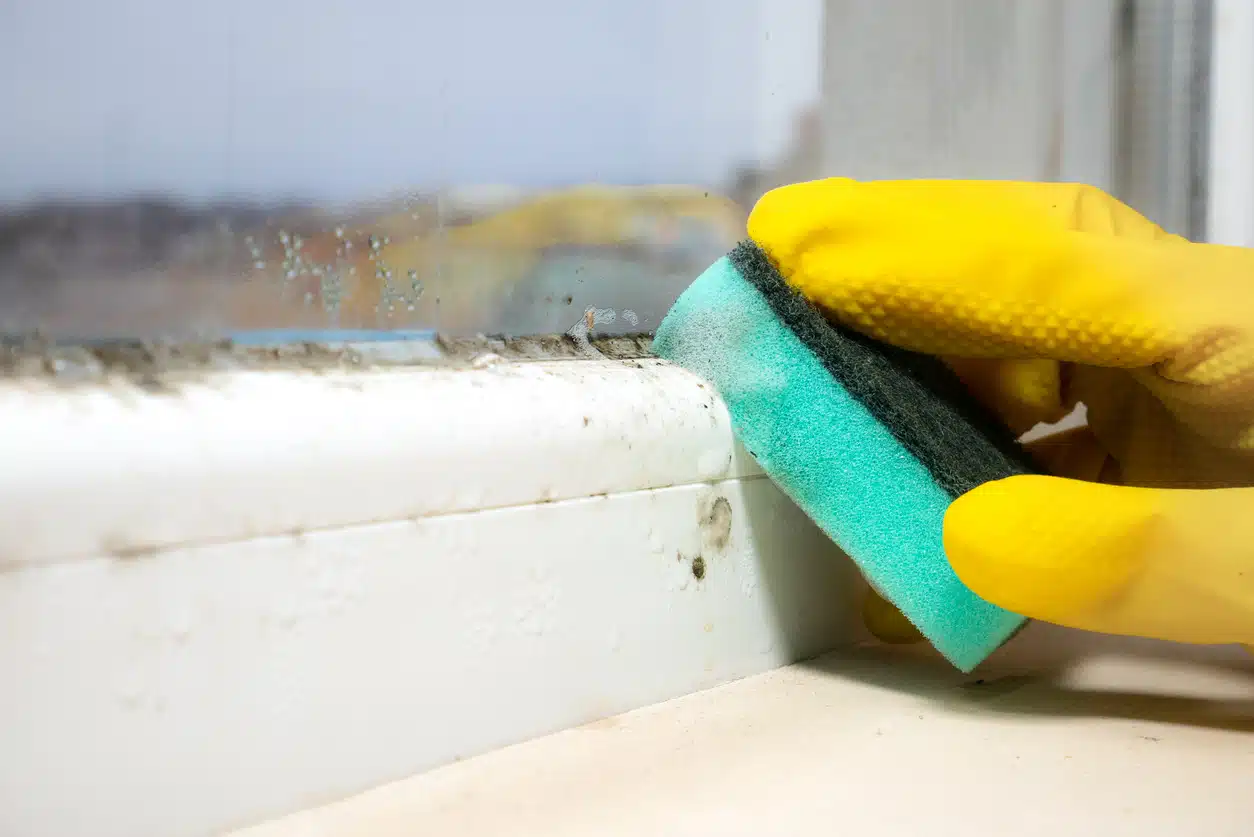
- Mold doesn’t take long to show up once an area stays wet, usually a day or two.
- If water damage does happen, call someone right away rather than trying to dry it out yourself first.
Why This Matters More in West Bloomfield Than Most Places
A lot of homeowners picture water damage as something dramatic, a burst pipe flooding the kitchen, a storm tearing the roof off. Most of the time it’s quieter than that. A gutter that’s clogged. A hairline crack near the floor that lets in a little water every time it rains. By the time you notice, it’s already been going on a while.
In West Bloomfield specifically, the lakes and the high water table mean your foundation is dealing with more outside pressure than a house in, say, Birmingham or Rochester. That pressure doesn’t go away. It just finds the weakest point in your foundation and works on it.
10 Tips to Prevent Water Damage
1. Test your sump pump
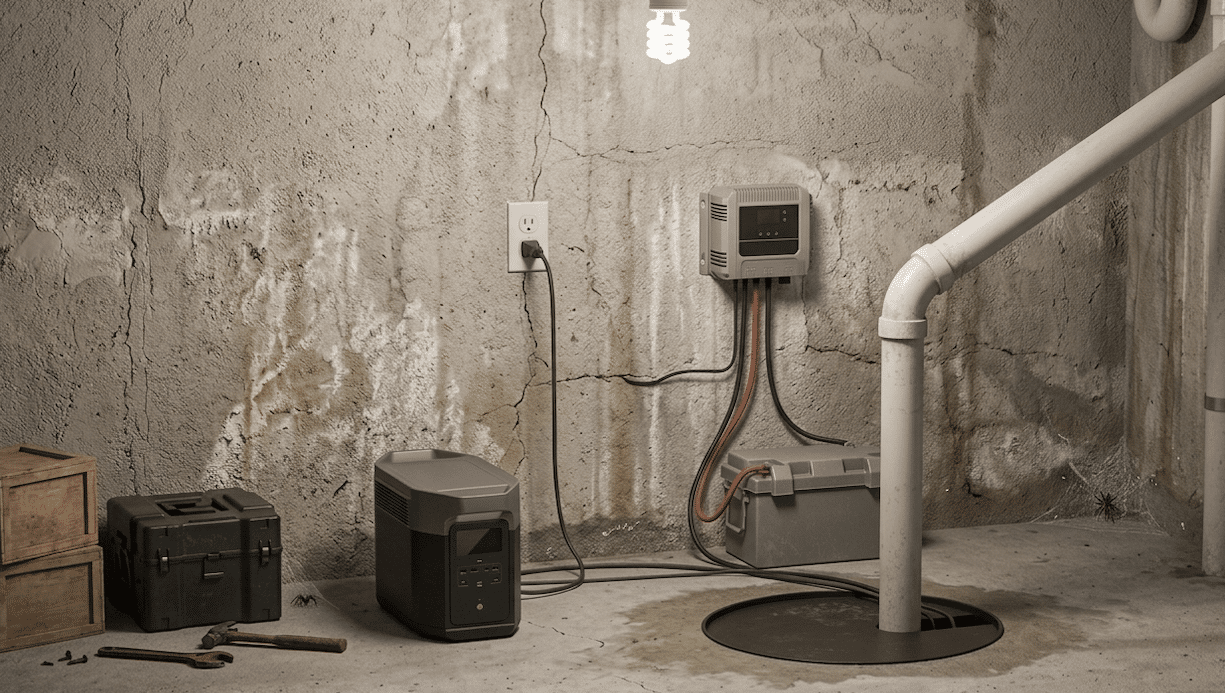
If your basement has a sump pump, which most do around here, pour a bucket of water into the pit every couple of months and make sure it actually kicks on and drains. A battery backup is worth getting too. Pumps tend to give out during storms, which is usually also when the power goes out.
2. Find your main shutoff valve
Know where it is before you need it. When a pipe bursts at 11pm, you don’t want to be searching for it.
3. Walk your basement once a year
Look at the foundation walls for new cracks, damp spots, or a white powdery buildup. That white residue means water’s been getting through. A small crack now is a quick fix. Wait a year and you’re looking at full waterproofing.
4. Make sure your yard slopes away from the house
And check that your downspouts are pushing water at least five feet from the foundation, not dumping it right next to the wall. This alone fixes a lot of seepage problems.
5. Insulate pipes before winter hits
Anything running through a garage, crawl space, or exterior wall needs insulation before the first hard freeze. On the really cold nights, leave the cabinet doors open under sinks along outside walls so warm air gets in there.
6. Clean your gutters in spring and fall
Clogged gutters push water down your siding and right into the ground at your foundation. Clean them twice a year and again after any big storm.
7. Don’t wait on old supply lines or an old water heater
Rubber hoses on your washer and dishwasher wear out and split eventually. Swap them for braided steel lines. If your water heater is past 10 years old, replace it on your own terms instead of waiting for it to fail and flood your utility room.
8. Put leak sensors near the obvious spots
They’re cheap, around twenty to thirty dollars each. Put them by the water heater, under sinks, and behind the washing machine. They’ll text your phone the second they get wet, which is usually weeks before you’d notice on your own.
9. Keep an eye on your sewer line if you have older pipes
A lot of homes here still run on the original clay or cast iron sewer line, and tree roots love that pipe. Slow drains or gurgling sounds in multiple fixtures usually means roots are getting in. A camera inspection every few years catches this before it turns into a backup in your basement.
10. Shut the water off before you leave for vacation
Especially in winter. Turn off the main, drain the lines if you can, and keep the thermostat at 55 or above while you’re gone. Coming home to a flooded basement is a bad way to end a trip.
Bonus: watch for sewer backups after heavy rain
Older sewer systems can get overwhelmed in a big storm and push water back up through your basement drains. It’s not a fun cleanup, and it’s not something to handle yourself since the water is contaminated. If you smell sewage after a storm, stay out of that area and call someone who deals with this specifically.
Protect Your Home from Water Damage
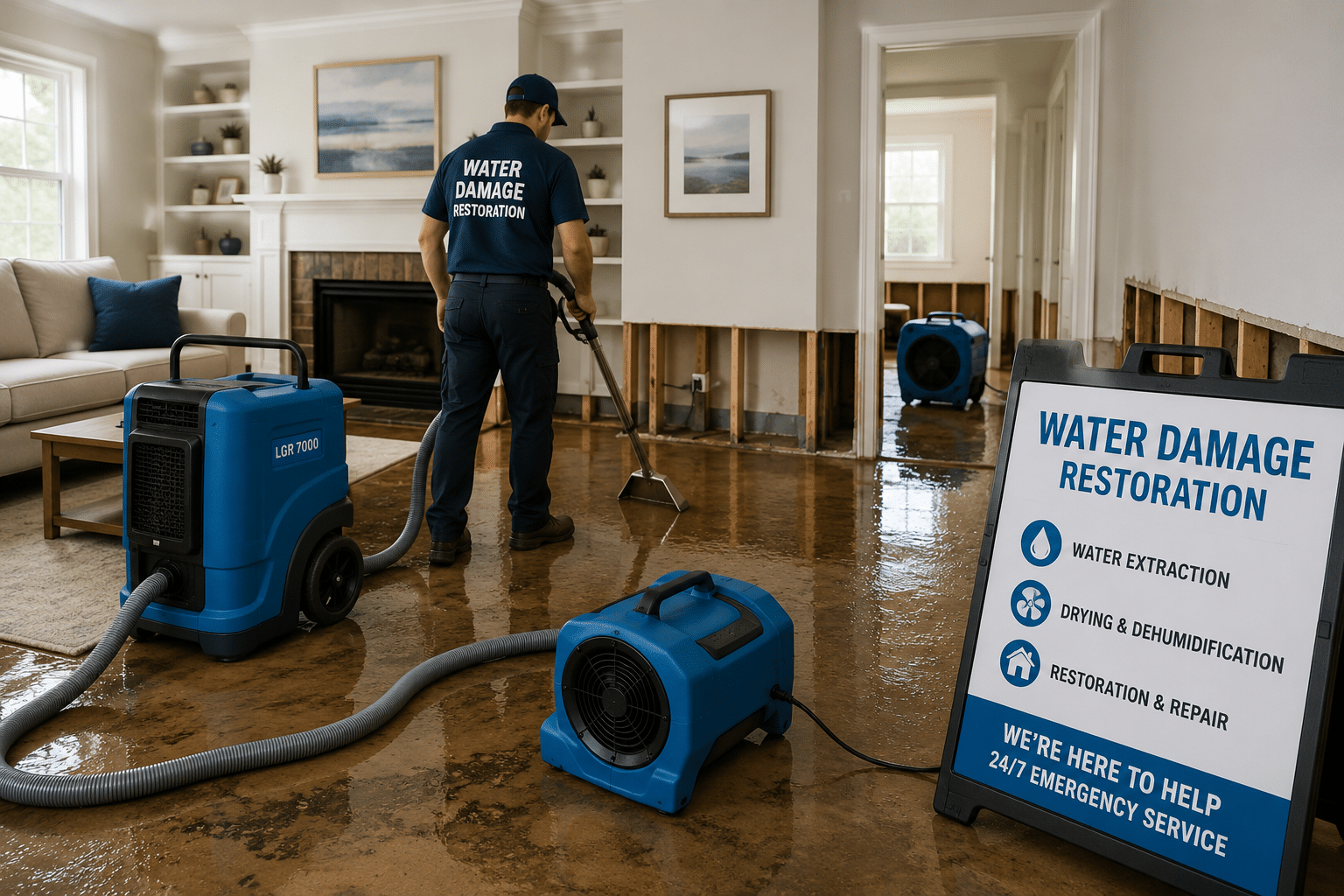
Shut off the water. Cut the power to that area if there’s any chance water is near outlets or wiring. Take photos before you start cleaning anything up, your insurance will want them. Then call a restoration company. Don’t wait a day or two to see if it dries on its own. Standing water turns into mold fast, and mold cleanup costs a lot more than just drying things out early.
This is where Revive Experts comes in. We work water damage calls across West Bloomfield regularly, so we know this area’s specific problems, the lakes, the older sewer lines, the ice dams every January. If you’re dealing with water in your home right now, call us. The sooner we get there, the more of your house we can save.
FAQs
How do I prevent water damage in my home?
Check your sump pump every few months, walk your basement once a year looking for cracks or damp spots, and know where your main shutoff valve is. If your water bill jumps for no reason, look into it instead of shrugging it off.
How do I know if I have a hidden leak?
Check your water meter before bed and again in the morning without using any water in between. If the number moved, something’s leaking. A jump in your water bill or a musty smell with no visible water are also signs.
Does homeowners insurance cover this?
Sometimes. A sudden burst pipe is usually covered. A slow leak that built up over months from poor maintenance usually isn’t. Groundwater seepage and sewer backups often need separate coverage, which matters here given how many homes sit near the lakes. Worth checking your policy now rather than after something happens.
What’s the first thing to do if I find water in my basement?
Shut off the water source, stay away from outlets if water’s nearby, take a few photos, and call a restoration company. The faster you act, the less it ends up costing.
Related Posts